Jonas Schmid · 2 September 2026
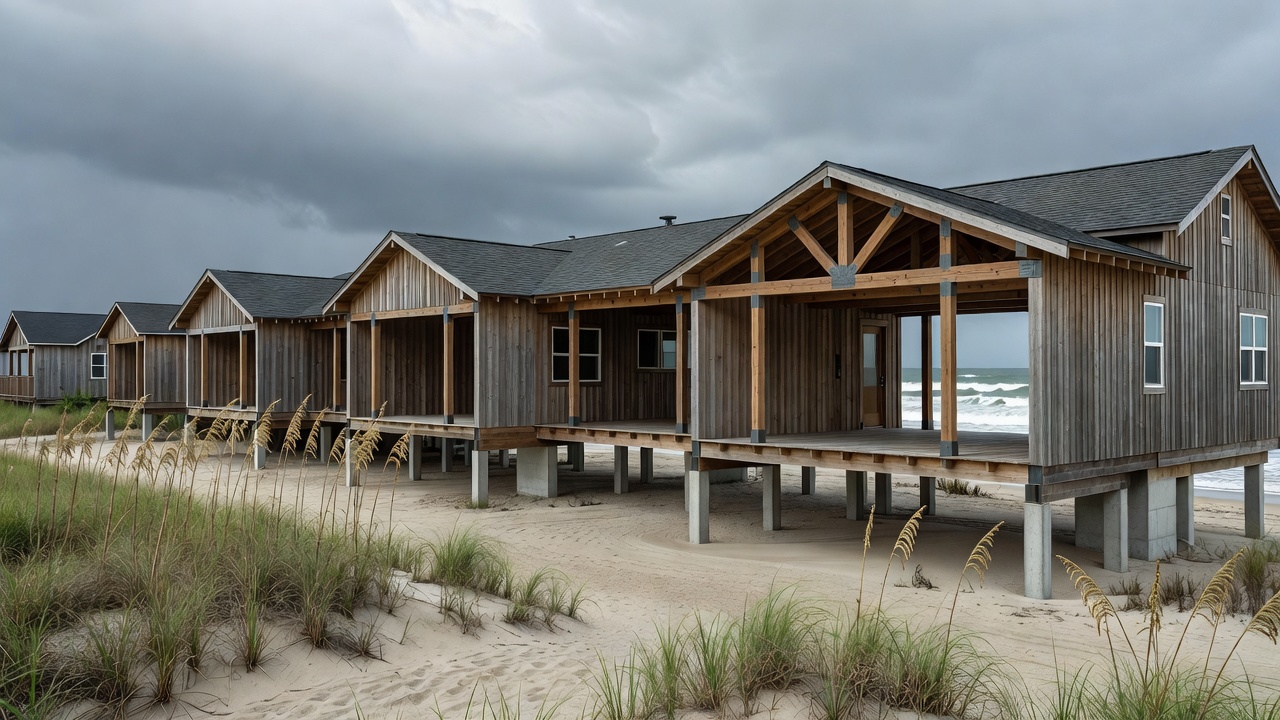
Along the coastlines of the United States, homeowners are turning to breezeways as a practical solution for improving storm resilience. These architectural features consist of open passages that connect different parts of a home, allowing wind to flow freely and thereby decreasing potential damage from high-velocity gusts associated with hurricanes and tropical storms. Recent trends show a rise in such designs in states like Florida and North Carolina.
Advantages in Wind-Prone Regions
Research indicates that breezeways can significantly reduce aerodynamic forces on structures. By interrupting continuous wall surfaces, they prevent the buildup of positive and negative pressures that often lead to structural failures. In areas like the Gulf Coast, properties featuring these elements have demonstrated greater durability during extreme weather events. Selection of appropriate materials, such as treated wood or metal frames with mesh screens, ensures longevity against corrosive marine environments. Proper orientation towards dominant wind patterns maximizes effectiveness while maintaining aesthetic appeal. Additional data from insurance companies suggests lower claim rates for equipped homes.
Furthermore, breezeways contribute to passive cooling by promoting cross-ventilation. This reduces reliance on mechanical air conditioning systems, offering both environmental and economic benefits to residents in warm climates. Experts recommend consulting local regulations for optimal implementation.
Key Design and Construction Practices
Successful incorporation requires collaboration between architects and engineers familiar with local building codes. Considerations include elevation above flood levels, secure anchoring, and integration with existing landscapes. Case studies from barrier islands highlight how such modifications have helped homes withstand category three storms with minimal repairs needed. Homeowners should also account for debris management and regular inspections to keep passages unobstructed. As climate patterns evolve, this approach represents an evolving strategy in sustainable coastal development, balancing safety with livability. Future projections indicate continued adoption as awareness grows.