Felix Vogel · 2 September 2026
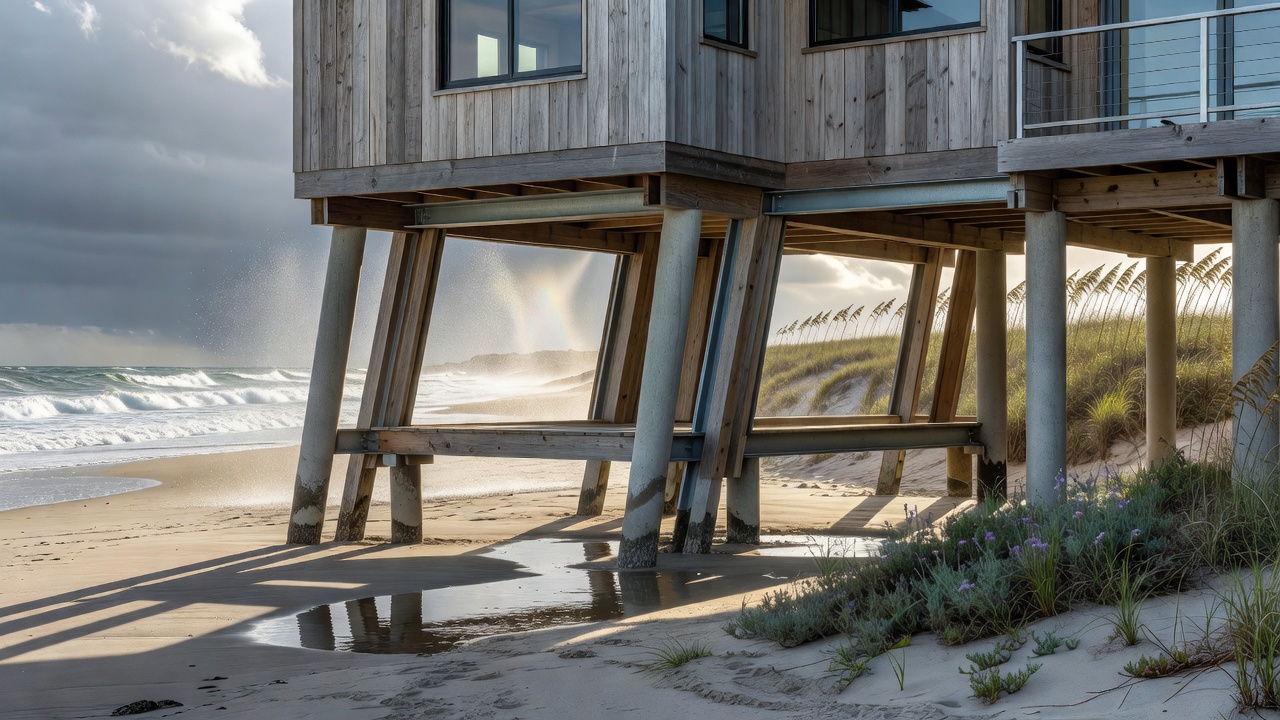
Coastal communities are increasingly incorporating breezeways into home designs to improve resilience against severe weather events. These open-air passages allow wind to pass through structures, reducing pressure on walls and roofs during hurricanes. Architects note that traditional solid buildings often suffer from wind uplift, but breezeways mitigate this by creating natural ventilation paths. Recent projects in Florida and Texas demonstrate measurable reductions in repair costs after major storms.
Engineers emphasize that breezeways also facilitate faster water drainage and drying, which helps prevent long-term moisture damage. This trend aligns with updated building standards focused on climate adaptation in vulnerable regions.
Advantages in Storm-Prone Regions
Studies from Florida and the Carolinas show homes with breezeways experience less structural damage in category 3 storms. The design also aids in quick drying after floods, preventing mold growth. Residents report improved comfort from cross breezes even in calm weather. Local building codes in some areas now encourage or require such features for new constructions. Insurance companies offer discounts for properties featuring these elements due to lower risk profiles. Data collected over five hurricane seasons indicates a 25 percent drop in claims for equipped homes compared to conventional builds.
Implementation Strategies and Materials
When planning a breezeway, experts recommend using reinforced columns and elevated foundations to handle surge waters. Materials like treated wood or composites resist corrosion from salt air. Integration with solar panels on adjacent roofs can further promote sustainability. Homeowners should consult with specialists familiar with regional wind loads to ensure compliance and effectiveness. This approach combines traditional architectural wisdom with contemporary engineering for safer coastal living. Proper orientation maximizes wind flow while maintaining privacy and aesthetic appeal. Ongoing monitoring shows these features maintain performance over decades with minimal upkeep.