Bianca Vogel · 2 September 2026
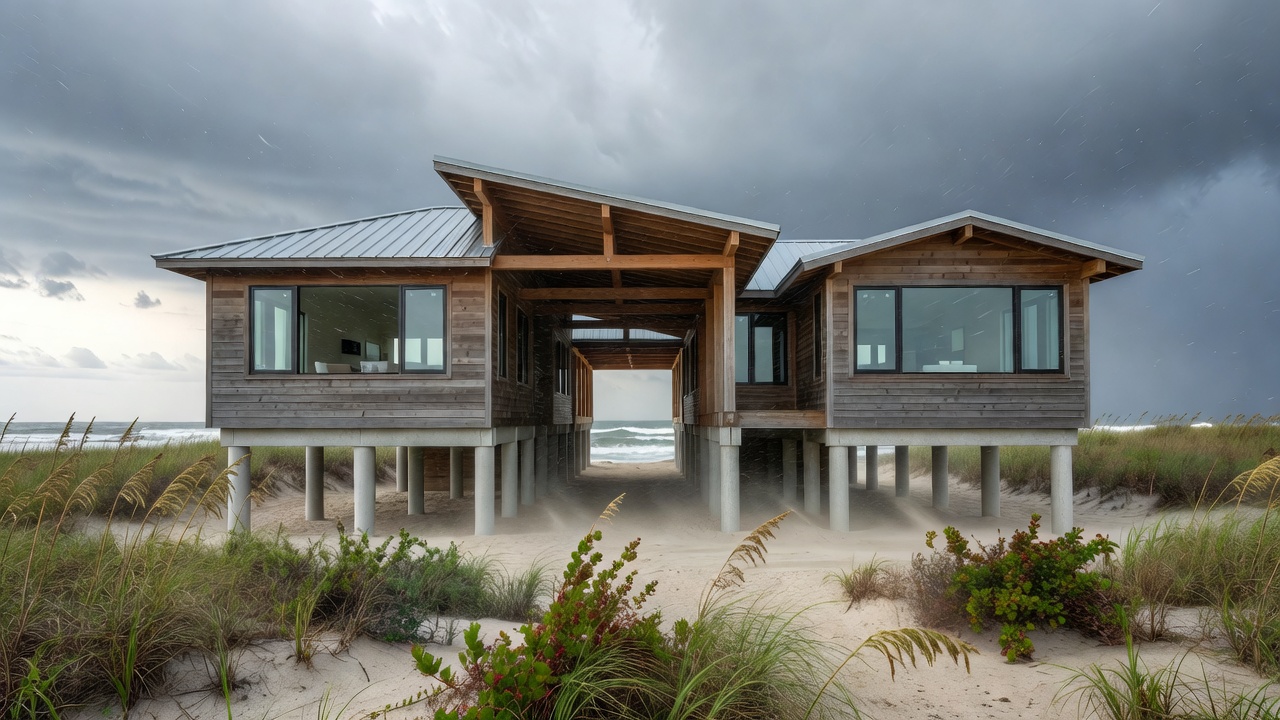
Coastal regions across the United States are seeing a rise in the incorporation of breezeways into residential architecture as homeowners seek ways to improve resilience against increasingly severe weather events. These open-air passages, traditionally used for ventilation and separation of structures, are now being adapted to mitigate the impacts of high winds and storm surges associated with hurricanes and tropical storms. Recent data from insurance companies highlights lower claim amounts for properties featuring these elements in hurricane-prone zones.
Wind Flow and Structural Integrity
Breezeways function by permitting wind to pass through the property rather than exerting full force against solid walls and roofs. This design reduces uplift pressures that can lead to roof failure during extreme weather. Architects are designing these features with reinforced framing and strategic placement to align with prevailing wind directions in specific locales. In areas like the Gulf Coast and Atlantic seaboard, such modifications have shown promise in post-storm assessments where homes with breezeways sustained less damage compared to those without. Engineers recommend widths between eight and twelve feet for optimal performance without compromising the overall footprint of the home.
Materials used in construction include pressure-treated lumber and corrosion-resistant metals to withstand salt air exposure. The open design also facilitates quicker drying after flooding, reducing mold risks in humid climates. Proper foundation anchoring ensures the breezeway does not become a weak point in the structure during high-velocity winds.
Enhancing Livability and Efficiency
Beyond storm protection, breezeways contribute to passive cooling by promoting natural airflow, which can lower reliance on air conditioning systems. This aspect aligns with sustainable building practices gaining traction in coastal communities. Homeowners report improved outdoor living spaces that connect indoor areas while providing shaded retreats from the sun. Landscaping around these passages often incorporates native plants that further stabilize the soil and reduce erosion risks.
Local building codes in several states now encourage or require elements that enhance wind resistance, prompting designers to integrate breezeways early in the planning process. Studies from engineering firms indicate that properly implemented breezeways can decrease wind loads by up to thirty percent in certain configurations. As climate patterns evolve, these architectural solutions offer a blend of tradition and innovation for durable coastal living. Future trends may include smart sensors to monitor wind speeds and adjust temporary barriers if needed.